Mechanical engineering is a dynamic and versatile discipline that encompasses the design, analysis, and development of mechanical systems and devices. It plays a crucial role in industries such as automotive, aerospace, energy, manufacturing, and robotics. Mechanical engineers apply scientific principles and engineering concepts to create innovative solutions that address a wide range of challenges
One of the key areas of focus in mechanical engineering is product design and development. Mechanical engineers utilize their knowledge of materials, mechanics, and thermodynamics to design and optimize products, ranging from small components to large-scale machinery. They employ computer-aided design (CAD) software and simulation tools to model and test product performance, ensuring efficiency, reliability, and safety.
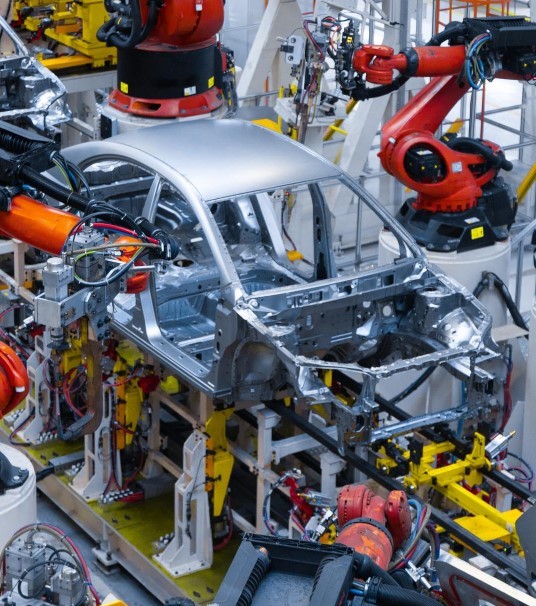
Mechanical engineers also play a vital role in manufacturing processes. They develop and improve manufacturing methods and techniques, optimizing production processes to increase productivity and reduce costs. They work closely with other professionals, such as industrial engineers and production managers, to streamline operations, enhance quality control, and implement automation and robotics in manufacturing facilities.
Mechanical engineers are at the forefront of designing and developing new products, systems, and technologies. They utilize their knowledge of materials, mechanics, and thermodynamics to create innovative solutions that meet specific needs and improve existing processes.
Mechanical engineers are involved in research and development activities to advance the field. They conduct experiments, analyze data, and explore new technologies to enhance performance, efficiency, and sustainability in areas such as energy systems, transportation, robotics, and manufacturing.
Mechanical engineers are responsible for ensuring the reliability and proper functioning of mechanical systems. They perform maintenance, inspections, and troubleshooting to identify and resolve issues, ensuring the safe and efficient operation of machinery, equipment, and infrastructure.
Mechanical engineers often take on project management roles, overseeing the planning, coordination, and execution of engineering projects. They manage resources, budgets, and timelines while collaborating with interdisciplinary teams to ensure successful project completion.
Mechanical engineers provide consulting and advisory services to clients in various industries. They offer expert advice, feasibility studies, and technical recommendations to support decision-making, optimize processes, and address engineering challenges.
Mechanical engineers are involved in quality assurance processes, ensuring that products and systems meet industry standards and regulatory requirements. They conduct tests, inspections, and certifications to ensure compliance with safety, performance, and quality standards.
Testimonial
"Exceptional design skills and attention to detail. Highly recommended for mechanical engineering projects."
"Expert in HVAC system design and energy efficiency. Provided cost-effective solutions and outstanding service."
"Reliable and knowledgeable in structural analysis. Helped optimize our designs for improved performance and safety."
© 2023 All Right Reserved By Qfecta Solutions Pvt. Ltd.