Follow Us:
Call Us: +91 123456789

Industrial Engineering

Industrial Engineering

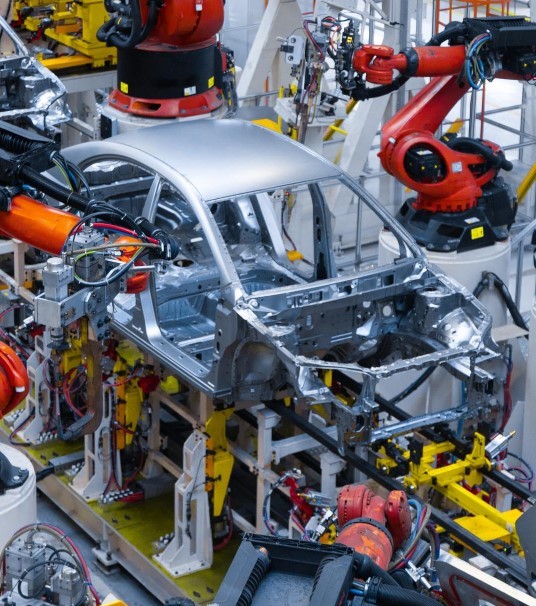
Industrial engineering is a branch of engineering that focuses on optimizing complex systems and processes to improve efficiency, productivity, and quality in various industries. Industrial engineers analyze and design systems involving people, machines, materials, information, and energy to achieve organizational goals. They play a crucial role in streamlining operations, reducing costs, and enhancing overall performance.

Industrial engineers utilize their knowledge of mathematics, statistics, computer science, and engineering principles to analyze data, model systems, and develop innovative solutions. They apply techniques such as statistical analysis, simulation modeling, and optimization to identify bottlenecks, eliminate waste, and maximize resource utilization. By studying the flow of materials, information, and resources, industrial engineers identify areas for improvement and implement strategies to enhance productivity and efficiency.

One key area of focus for industrial engineers is process improvement. They evaluate existing processes, identify inefficiencies, and develop strategies to streamline workflows. They may use tools like Lean Six Sigma methodologies to identify and eliminate waste, reduce cycle times, and improve overall process performance. Industrial engineers also work on optimizing supply chain management, inventory control, and logistics to ensure smooth operations and minimize costs.


Jobs For Industrial Engineering


Process Analysis and Improvement


Industrial engineers analyze existing processes, identify bottlenecks, and inefficiencies to improve overall productivity. They employ techniques such as time and motion studies, data analysis, and simulation modeling to evaluate workflows and identify areas for improvement. By implementing process improvements, they enhance efficiency, reduce costs, and increase throughput.


Supply Chain Management


Industrial engineers play a vital role in optimizing supply chain processes. They analyze the flow of materials, information, and resources from suppliers to customers, identifying opportunities for improvement. Industrial engineers work on inventory management, demand forecasting, logistics planning, and supplier selection to streamline the supply chain and reduce costs while maintaining quality and customer satisfaction.


Facility Layout and Design


Industrial engineers design efficient facility layouts, considering factors such as workflow, material handling, and equipment placement. They optimize the arrangement of workstations, machinery, and storage areas to minimize unnecessary movement, reduce congestion, and improve overall operational efficiency.


Quality Control and Assurance


Industrial engineers develop and implement quality control systems to ensure that products and processes meet the required standards. They design and implement statistical quality control methods, establish quality assurance protocols, and conduct data analysis to identify areas for improvement and reduce defects or errors.


Lean Manufacturing


Industrial engineers often employ Lean Manufacturing and Six Sigma methodologies to eliminate waste, reduce variability, and improve process efficiency. They identify non-value-added activities, implement lean tools and techniques, and drive continuous improvement initiatives.


Project Management


Industrial engineers possess strong project management skills, overseeing and coordinating projects to ensure successful completion. They develop project plans, allocate resources, manage timelines, and monitor progress to ensure projects meet objectives within budget and schedule constraints.

Contact Us

If You Have Any Queries, Please Feel Free To Contact Us

Call Us
+012 345 67890
Mail Us
info@example.com

Our Clients

Testimonial

What Our Client's Say!